Transmission Services
Iron County Transmission & Auto
At Iron County Transmission & Auto, we provide a complete range of automotive services to keep your vehicle running safely and efficiently. Our technicians specialize in transmissions, engine repair, electrical diagnostics, preventative maintenance, brakes, suspension, heating and more. This Services Overview highlights each major area of expertise and explains why professional maintenance and repair from a certified auto shop matter.
Why transmission service matters
Your vehicle’s transmission transfers engine power to the wheels and controls gear changes for smooth acceleration and optimal fuel economy. Whether automatic, manual, CVT, or dual-clutch, the transmission is a precision assembly that relies on correct fluid condition, calibrated hydraulics, and properly functioning electronics. Transmission problems — slipping, hard shifts, delayed engagement, grinding noises, or fluid leaks — can lead to reduced drivability, increased fuel consumption, and catastrophic failure if not addressed quickly. Professional transmission service restores safe operation, prolongs component life, and prevents expensive replacements.
Signs you need transmission service
- Gear slipping or delayed engagement
- Unusual noises (whining, clunking, grinding)
- Transmission fluid leaks (reddish or brown fluid under vehicle)
- Burning smell from the transmission area
- Check engine or transmission warning light illuminated
- Vehicle hesitates or surges when accelerating
- Gear selector does not engage properly
Key benefits of professional transmission repair and maintenance
Preventative fluid service reduces chance of internal wear and clutch burnout
Early diagnosis avoids full rebuilds by addressing solenoid, sensor, or mechatronic module problems
Correct torque and calibration during reassembly prevent recurrence of failure
Use of OEM or remanufactured components extends service life
Proper road testing after repair verifies performance under load
Our transmission services
Transmission diagnostics
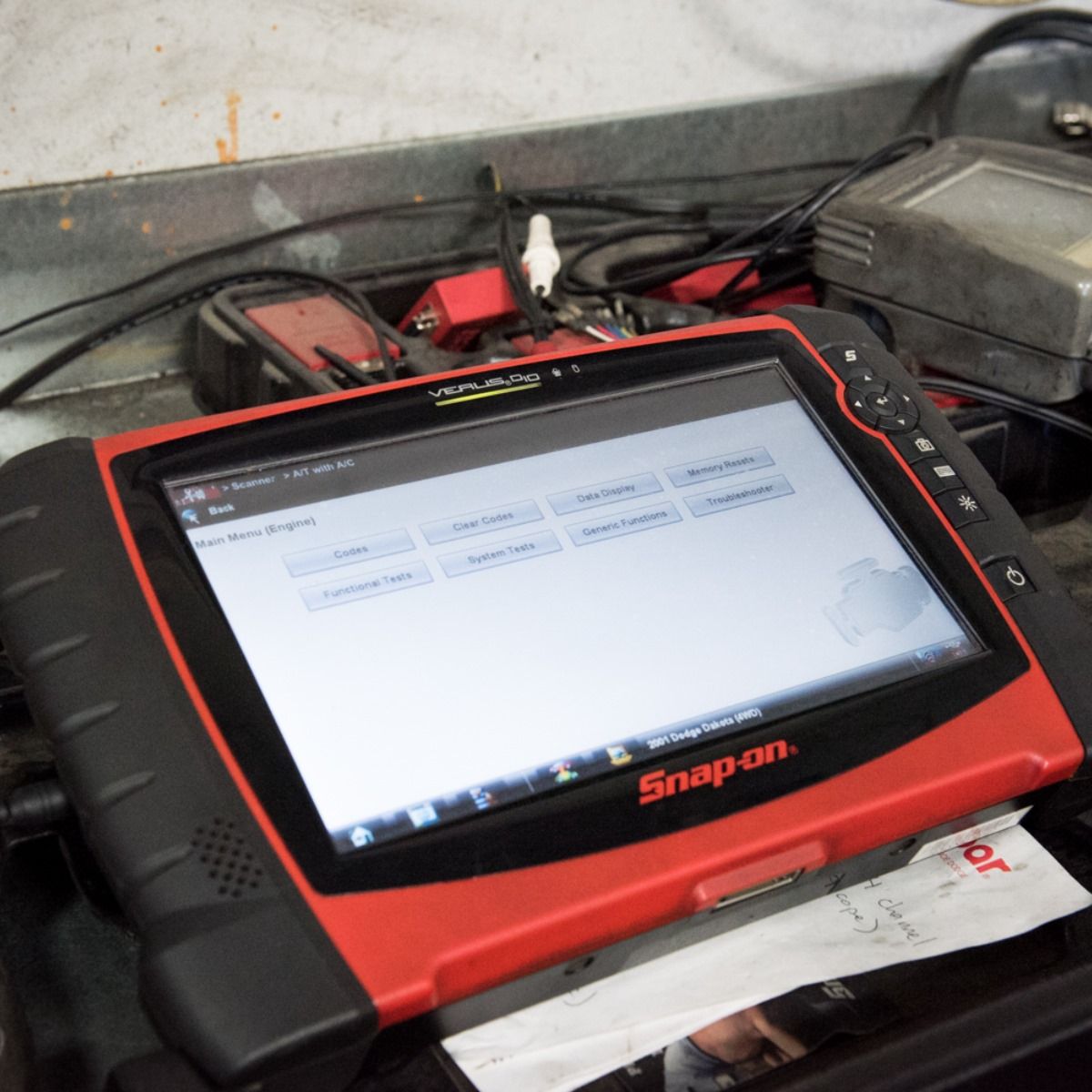
We use advanced diagnostic tools to read transmission control module codes, run live data, test solenoid function, and monitor hydraulic pressures where applicable. Our approach identifies whether the issue is mechanical, hydraulic, electronic, or simply a fluid condition.
Fluid exchange and filter service
Transmission fluid degrades over time, losing lubricity and hydraulic properties. We perform full fluid exchanges and replace filters where applicable, using manufacturer-specified fluid to restore proper hydraulic response and protect internal components.
Solenoid and sensor repair
Solenoids and sensors regulate clutch engagement, shift timing, and fluid flow. Faulty solenoids cause harsh shifts or stuck gears; we test and replace solenoids and sensors with precise calibration.
Transmission replacement
For severe internal damage, we provide remanufactured units with high-quality components, and careful reassembly.
Torque converter service
A worn or damaged torque converter can cause shudder, slipping, and overheating. We test torque converter performance.
Clutch and manual transmission repair
We handle clutch replacements, pressure plate, flywheel replacement, and drivetrain checks for manual transmissions, including hydraulic/clutch master cylinder repairs.
CVT and DCT service
Specialized transmission types like CVTs and dual-clutch systems require specific fluids and service protocols. Our technicians follow manufacturer procedures for service and repair to ensure proper operation.
How we diagnose transmission problems
Initial road test to reproduce symptoms and observe transmission behavior
Scan for trouble codes and review live data
Hydraulic pressure testing (where applicable) and circuit checks
Visual inspection for leaks, pan debris, and fluid color/odor
Component-level inspection when required (clutches, gears, seals)
Why our team delivers reliable transmission repairs
Specialized tools: transmission jacks and OEM-level scan tools
Technician expertise: trained in both mechanical and electronic transmission systems
Remanufactured options: high-quality remanufactured transmissions for cost-effective solutions
Warranty coverage: parts and labor warranty terms provided on estimate
Post-repair validation: road testing and final scan to confirm correct operation
Recommendations for transmission care
- Check fluid level and condition regularly; change fluid at manufacturer-recommended intervals
- Avoid towing beyond your vehicle’s rated capacity which stresses the transmission
- Address slipping or strange noises immediately to avoid more extensive damage
- Keep cooling systems maintained; transmission fluid overheating accelerates wear
Cost considerations and transparency
Transmission repairs can vary widely in cost depending on severity. We provide detailed estimates that break down parts, labor, and recommended options (repair vs. rebuild vs. replacement). We discuss long-term value and provide transparent guidance to help you decide.
FREQUENTLY ASKED QUESTIONS
Can a low fluid level cause transmission problems?
Yes — low fluid can cause slipping, overheating, and hydraulic failure. Leaks should be diagnosed and repaired, and fluid topped up with the correct type.
How often should transmission fluid be changed?
Follow your owner’s manual. Many modern automatic transmissions have longer service intervals, but severe-driving conditions may require more frequent changes. We recommend fluid condition checks at every scheduled maintenance.
Do you offer warranty on transmission work?
Yes. We provide a written warranty on many transmission services. Warranty length varies by service and parts used; we’ll outline terms in the estimate.
Contact and Scheduling
For trusted transmission service in Cedar City, call (435) 868-8936, email
Ironcountytransmissionauto@gmail.com, or visit Iron County Transmission & Auto at 881 Aviation Way Unit 335. Our experts will perform a comprehensive diagnostic and provide a transparent estimate before any work begins.