General Auto Repair
Why general auto repair matters
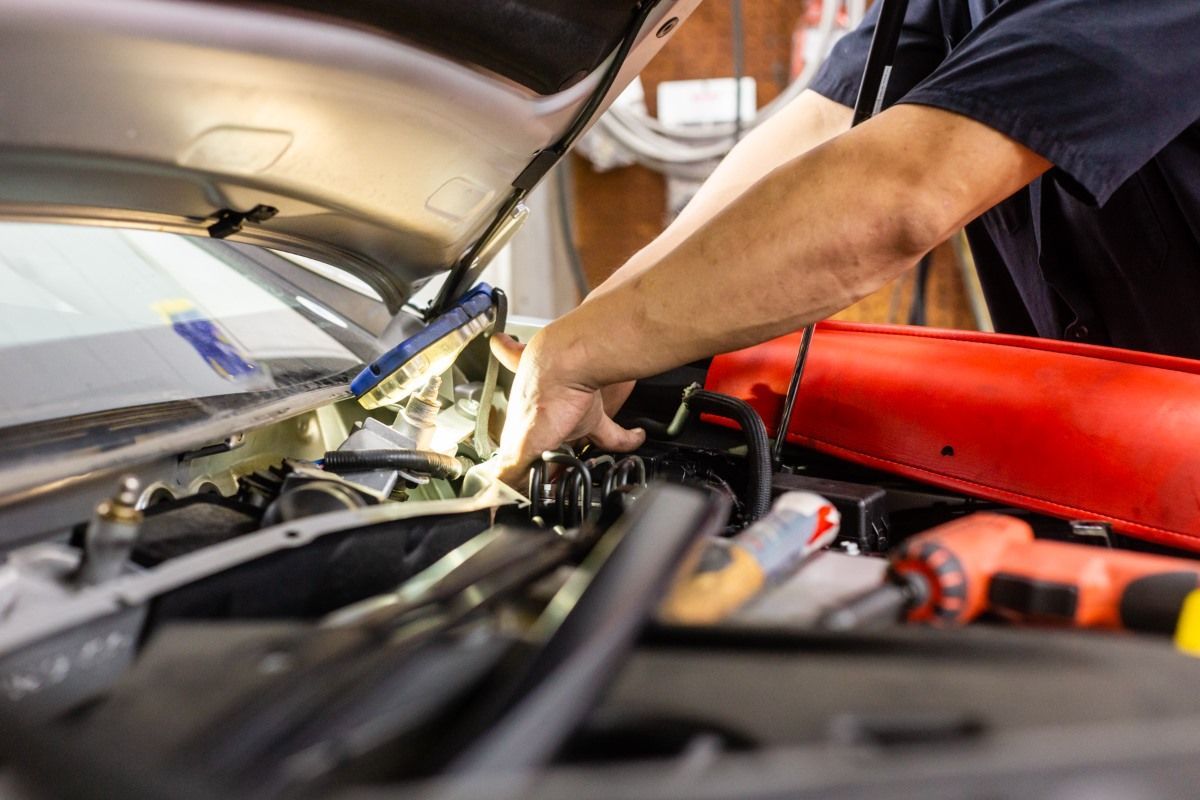
General auto repair covers the essential mechanical systems that keep a vehicle operational: the engine, fuel system, cooling system, exhaust, drivetrain, and more. Addressing mechanical issues promptly preserves performance, prevents safety risks, and avoids the high cost of progressive damage. A professional, methodical approach to repair and maintenance extends vehicle life and maintains resale value.
What falls under general auto repair
- Engine repairs (head gasket, oil leaks, timing components)
- Fuel system (fuel pump replacement, fuel filter)
- Cooling system (radiator, water pump, thermostat, hoses)
- Exhaust and emissions (sensors)
- Drivetrain issues (axles, CV joints, differentials)
- HVAC mechanical repair (compressor replacement, heater core)
- Structural maintenance (belts, pulleys, mounts)
Signs you need general repairs
- Engine misfires, rough idle, or poor acceleration
- Coolant loss or overheating
- Noticeable oil leaks or burning oil smell
- Loud or unusual exhaust noise
- Poor fuel economy or increased emissions
- Vibration or noise during acceleration or cruising
Key benefits of professional general auto repair
Comprehensive diagnostics to identify root causes
Proper parts and correct installation practices
Improved fuel efficiency and reduced emissions
Restoration of vehicle power and responsiveness
Prevention of downstream failures that result from ignored issues
How Iron County Transmission & Auto approaches repairs
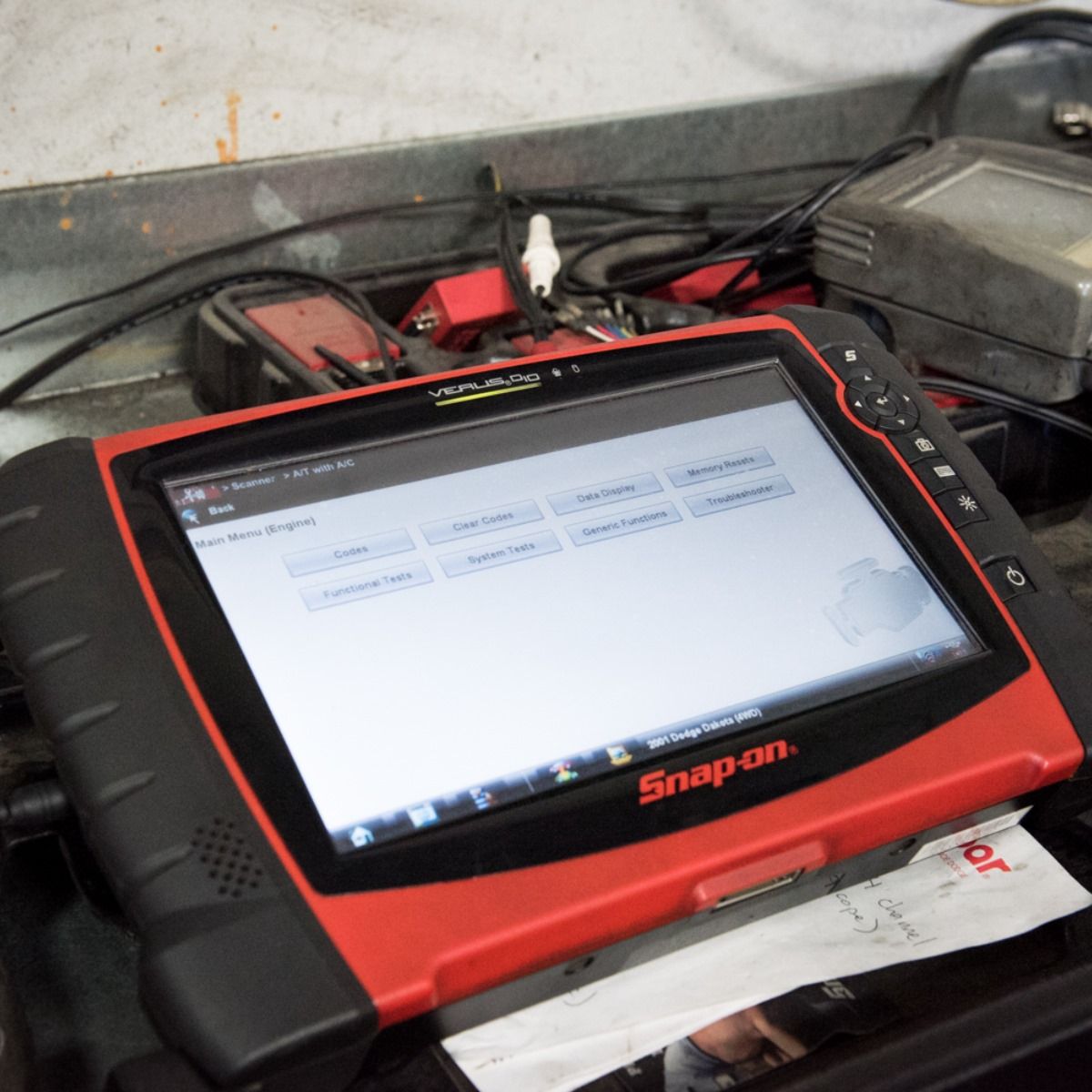
We begin with a multi-point inspection and use OBD-II scan tools, pressure tests, and mechanical inspections as needed.
Systematic diagnostics
Prioritized recommendations
Our mechanics categorize required repairs by safety, reliability, and convenience to help you make informed decisions.
Quality parts
We use OEM or high-quality aftermarket parts selected for performance and longevity.
Skilled workmanship
Technicians follow manufacturer service procedures, torque specifications, and proper testing.
Engine repair and performance
Engine repairs range from routine tune-ups and sensor replacements to full rebuilds.
Common engine servicing includes:
- Cylinder head and gasket repair
- Timing belt/chain replacement and tensioner service
- Oil leak diagnosis and repair (gaskets, seals, valve cover)
- Fuel system service
- Emissions control system repairs (EGR, PCV, catalytic converters)
Cooling system maintenance
Maintaining the cooling system prevents overheating and engine damage:
- Radiator replacement and repair
- Thermostat and water pump service
- Hose replacement and pressure testing
- Coolant flush and proper fluid selection
Drivetrain and drivetrain-related repairs
- CV joint and axle replacement
- Differential service and fluid exchange
- Differential rebuild
- Driveshaft balancing and U-joint replacement
- Transfer case and 4WD system diagnostics
HVAC mechanical systems
Cabin comfort relies on properly functioning mechanical components:
- Heater core and blower motor repair
- Cabin air flow diagnostic and repair
Cost control and maintenance planning
We help customers manage repair costs by:
Prioritizing immediate safety issues versus recommended long-term improvements
Offering remanufactured or OEM parts options when suitable
Creating maintenance schedules to reduce the likelihood of major repairs
Educating owners about how driving habits affect vehicle longevity
Common general repair
How do you determine whether to repair or replace a component?
We assess component condition, expected remaining life, overall repair costs, and vehicle value. We present options and recommendations to help customers decide.
Can you fix intermittent problems?
Intermittent issues can be challenging. We ask customers to document conditions when the problem occurs and use comprehensive testing and diagnostics to replicate the issue when possible.
How long will general repairs take?
It depends on damage, vehicle age, and cost. Rebuilds can restore performance for a fraction of replacement cost, but a remanufactured unit may be more reliable for severely damaged or high-mileage transmissions. We provide both options with clear cost comparisons.
Preventive care to avoid major repairs
- Follow the recommended service intervals in your owner’s manual
- Address warning lights and unusual symptoms immediately
- Keep fluids topped and use appropriate grades
- Perform seasonal inspections to catch weather-related issues early
Preparing for your visit
- Bring service history if available
- Note exact symptoms and when they occur (engine temp, load, speed)
Contact and Scheduling
For dependable general auto repair in Cedar City, call
(435) 868-8936, email
Ironcountytransmissionauto@gmail.com, or visit Iron County Transmission & Auto at 881 Aviation Way Unit 335. Our team will diagnose your vehicle’s needs and provide a transparent, written estimate before any work begins.