Preventive Maintenance & Oil Change
Iron County Transmission & Auto
Why preventive maintenance matters
Preventive maintenance is the foundation of vehicle reliability and longevity. Regular oil changes, fluid exchanges, tune-ups, and inspections help identify wear early and prevent small problems from escalating into major repairs. By following manufacturer-recommended service intervals, you protect your engine, transmission, brakes, and other critical systems — reducing total cost of ownership and maintaining safety.
Core preventive maintenance services
- Oil and filter changes using recommended oil grades
- Multi-point inspections at every service
- Fluid exchanges (transmission, coolant, brake fluid, power steering)
- Air filter and cabin filter replacement
- Spark plug replacement and ignition system checks
- Belt and hose inspection and replacement
- Tire rotation and braking system checks
- Factory scheduled maintenance per owner’s manual
Benefits of routine preventive maintenance
Prolonged engine health and reduced wear
Improved fuel economy and smoother performance
Fewer unexpected breakdowns and reduced roadside assistance needs
Better resale value and proof of service history
Early detection of safety concerns, such as worn brakes or suspension issues
Oil change specifics and why oil grade matters
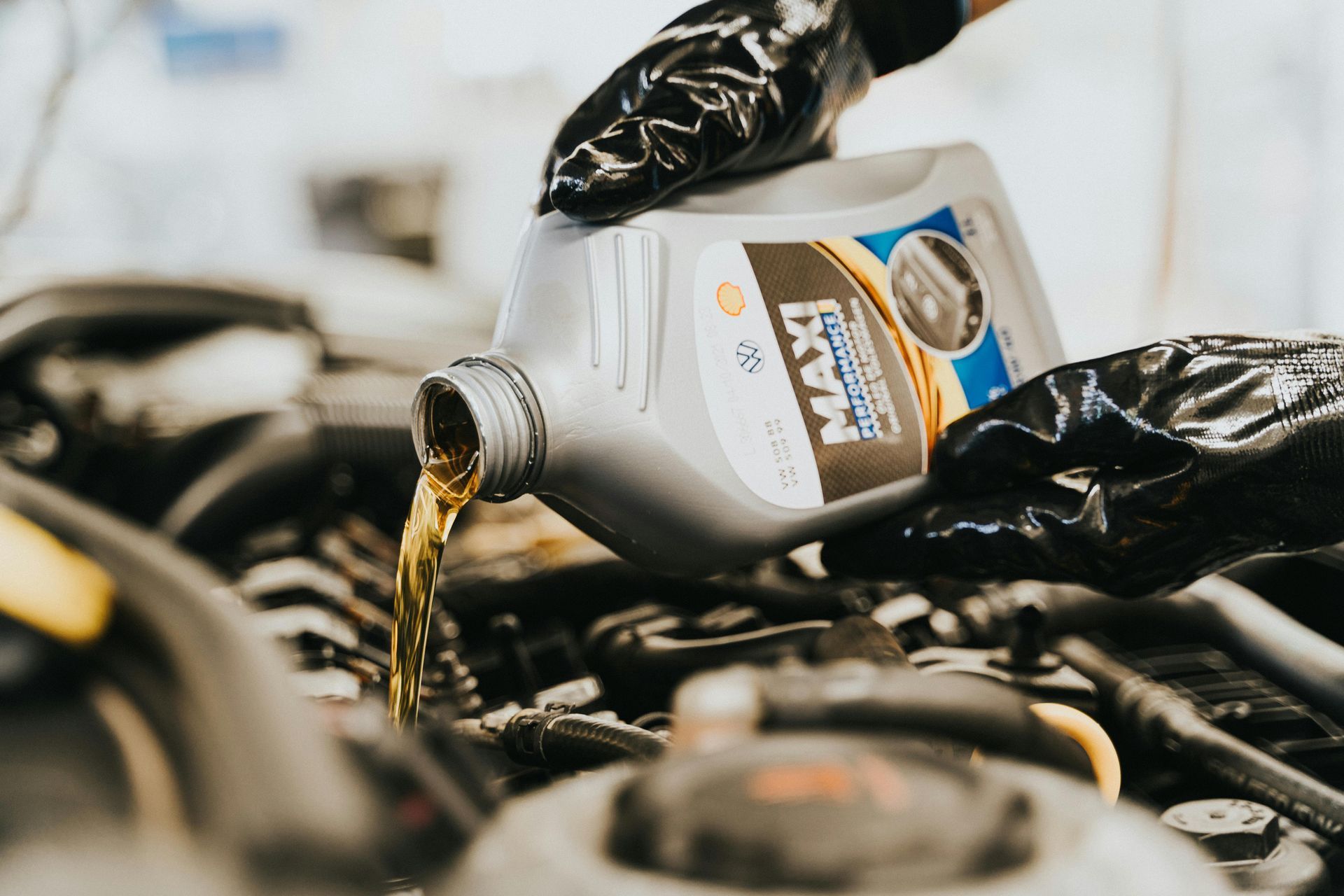
The engine oil lubricates moving components, removes heat, and carries contaminants to the oil filter. Using the correct oil grade and changing it at recommended intervals preserves engine life. We use manufacturer-recommended oils (synthetic, synthetic blend, or conventional) and OEM-quality filters to provide optimal protection.
Typical maintenance intervals and what to expect
Every 3,000–5,000 miles: conventional oil changes (varies with vehicle and oil type)
Every 5,000–10,000 miles: synthetic oil service intervals depending on usage
Every 30,000–60,000 miles: coolant flush, transmission fluid change (manufacturer dependent)
Every 60,000–100,000 miles: timing belt replacement, major tune-up items
Brake fluid change: typically every 2–3 years or per manufacturer recommendation
Factory scheduled maintenance
Following the manufacturer’s schedule is often necessary to maintain warranty coverage and ensure system longevity. We can follow your factory schedule precisely, log services, and provide documentation for warranty and resale purposes.
Tune-ups and performance maintenance
Tune-ups include spark plug replacement, ignition system checks, PCV valve and throttle body cleaning, and fuel system service. These services restore power, address rough idles, and improve emissions compliance.
Fleet maintenance programs
We offer tailored preventive maintenance plans for fleet vehicles, reducing downtime and controlling costs:
Scheduled service reminders
Batch inspections and maintenance tracking
Priority scheduling for fleet customers
Consolidated billing and reporting
How we perform preventive maintenance
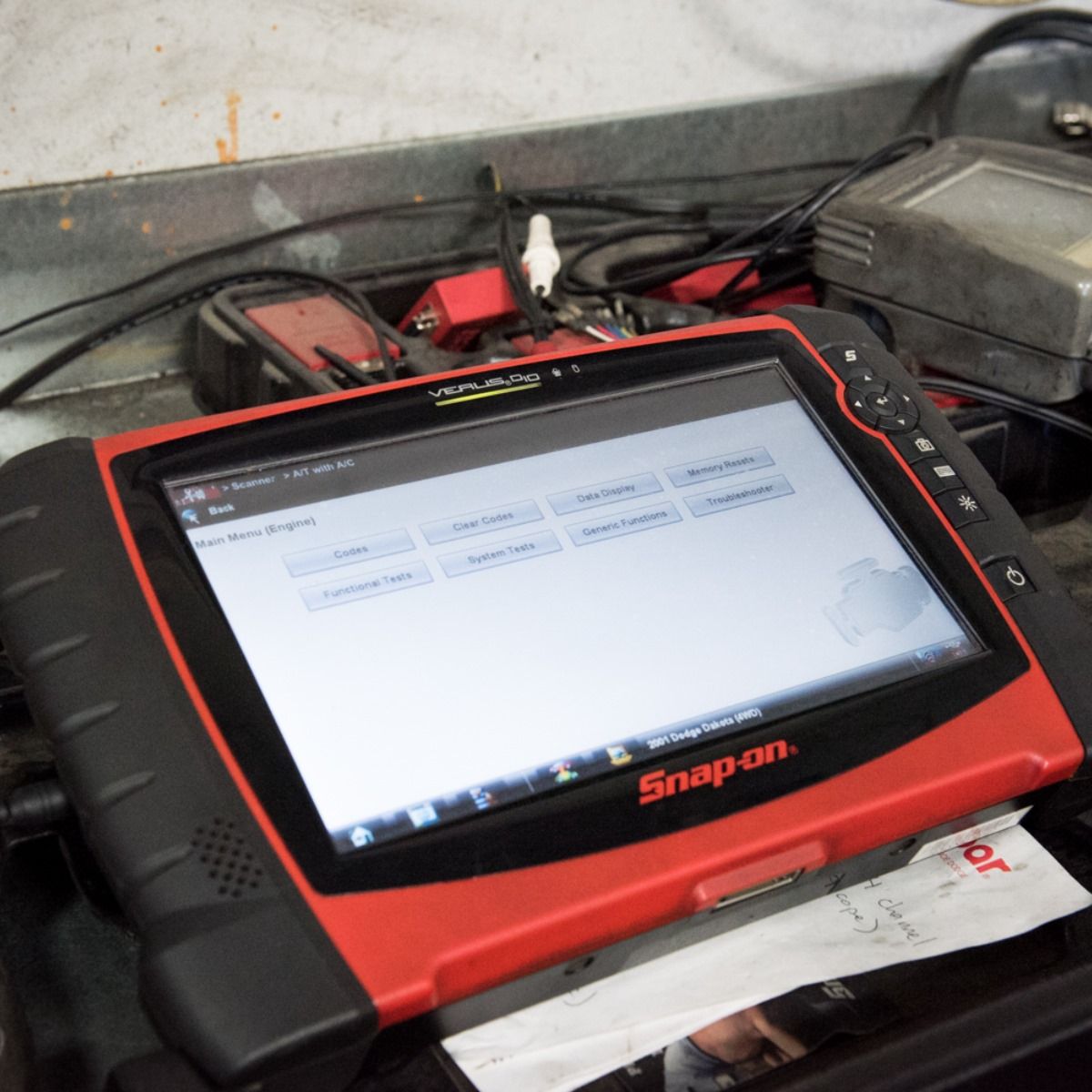
Comprehensive multi-point inspection at every visit
Use of OEM or recommended parts and fluids
Documentation of services performed and upcoming recommendations
Clear communication of any safety or reliability concerns
Common preventive maintenance FAQs
How often should I change my oil?
Follow your owner’s manual. Many modern cars with full synthetic oil can go 7,500 to 10,000 miles, but severe usage or older engines may require more frequent changes.
Is a full fluid exchange necessary?
Fluid exchanges for transmission, coolant, and brake systems are essential at intervals to remove contaminants and maintain system performance. We follow manufacturer recommendations and test fluid condition.
Do you provide maintenance records?
Yes, we document all services performed and can provide maintenance records for warranty and resale purposes.
Seasonal preparation and inspection
- Winter prep: Battery test, coolant anti-freeze check, heater and defroster test, tire condition
- Summer prep: Cooling system inspection coolant flush if required
- Long trips: Pre-trip inspection to check brakes, tires, fluids, and belts
Preparing for maintenance visits
- Bring your vehicle’s owner’s manual and service records
- Note any unusual symptoms or noises
- Discuss driving habits (towing, short trips, severe conditions) for tailored service intervals
Contact and Scheduling
To keep your vehicle in top condition, schedule preventive maintenance with Iron County Transmission & Auto. Call
(435) 868-8936, email
Ironcountytransmissionauto@gmail.com, or stop by 881 Aviation Way Unit 335, Cedar City, UT 84721. We’ll create a maintenance plan to protect your vehicle and your investment.